
What is considered property damage in a car accident? This question weighs heavily on the minds of many individuals who’ve been involved in a crash, especially when dealing with the aftermath and accident insurance claims. While the specifics might seem straightforward initially, several nuances can influence how property damage is defined and subsequently compensated for.
Let’s shed some light on what is considered property damage in a car accident and the steps involved in seeking a resolution. Our guide explains key factors in determining what is considered property damage in a car accident and how to seek fair compensation in Baltimore.
Table Of Contents:
- Understanding Property Damage After a Car Accident
- Navigating a Property Damage Claim
- Key Things to Remember When Filing Property Damage Claims in Maryland
- FAQs about What Is Considered Property Damage in a Car Accident
- Conclusion
What is Considered Property Damage in a Car Accident?
In the simplest terms, property damage in a car accident refers to any harm caused to physical belongings as a result of the collision. But the extent of what’s included under this umbrella might surprise you. It goes beyond just the obvious damage to your car. It can also include economic damages, non-economic damages, and more.
Types of Property Damage
Here’s where the details become especially relevant. Property damage encompasses a wider range of items than you might initially realize:
1. Damage to Your Vehicle
This is often the first thing that comes to mind – dents, scratches, broken headlights,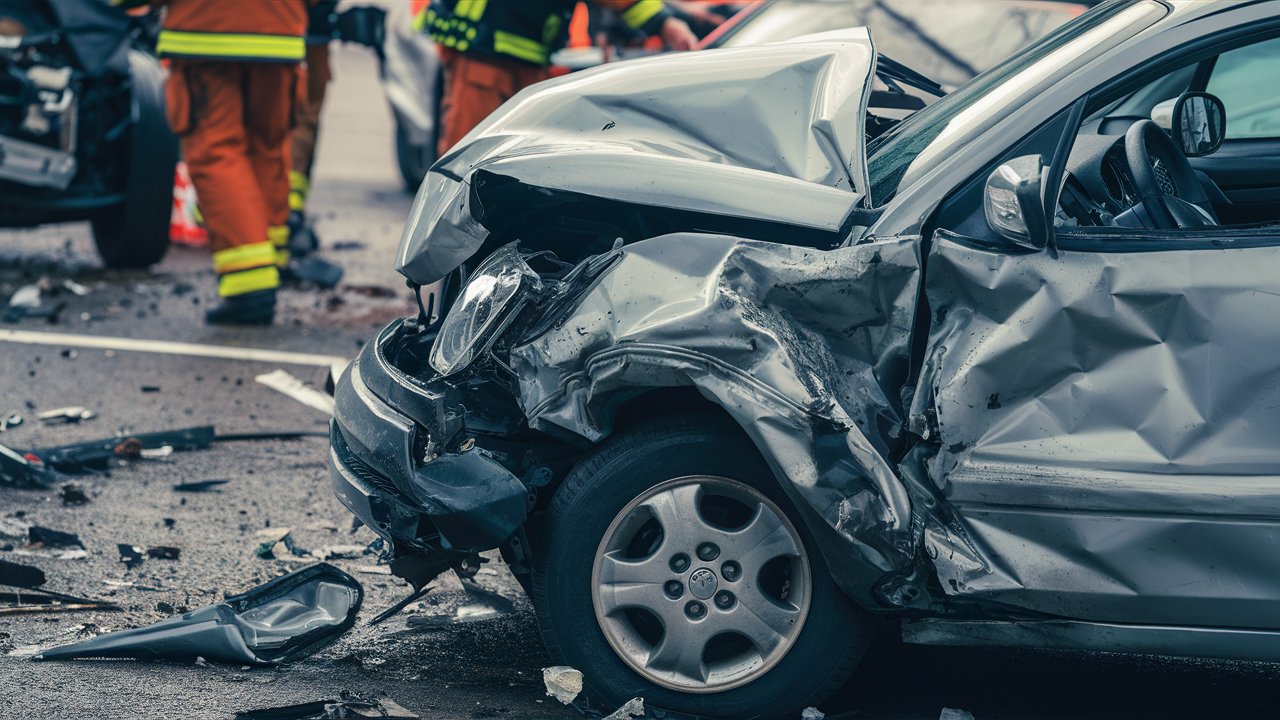 engine problems – basically any damage to your car because of the auto accident. The cost to repair these damages, or the vehicle’s fair market value if it’s totaled, falls under this category. This will require a police report to be filed.
2. Damage to Personal Property Inside Your Vehicle
Many people don’t consider this – property damage includes anything damaged inside your car. Did your laptop get crushed? Were your eyeglasses in the glove compartment and now bent? These all count, and car accidents claims can cover them. Insurance coverage can vary, so it’s best to be prepared.
3. Damage to Other Vehicles or Property
It’s not just about your property. Did you hit a mailbox, a fence, or even someone’s parked car? Damage to any property besides your own vehicle falls under this category. If the accident is your fault, you (or more precisely, your insurance company) are responsible for those repair costs. This would fall under your driver’s insurance.
Navigating a Property Damage Claim
Understanding what is considered property damage in a car accident sets the stage for the car accident claim process itself. Here’s what it might look like:
1. Documentation is Key
Right after the accident (if you’re able), take tons of pictures. Photograph the damage to your car from all angles. Capture pictures of anything damaged inside your car, too, no matter how insignificant you think it is. These images serve as crucial evidence when you’re filing your claim with the other driver’s insurance company or your own.
2. Filing Your Claim
You’ll need to report the accident to your insurance company, providing them with all the necessary details. You should also gather documentation for the damaged or destroyed property inside your vehicle, such as receipts, credit card statements, or even photos of the items before the accident. This will help your car accident cases.
3. Insurance Assessments
Both insurance companies will investigate and send out an adjuster. The adjuster assesses the damages to determine how much they cost to repair or replace, influencing what they will pay out.
Key Things to Remember When Filing Property Damage Claims in Maryland
If the accident occurred in Maryland, remember to:
- Report the accident to the Maryland Motor Vehicle Administration (MVA) within 15 days if there was an injury or fatality.
- Understand that Maryland is an “at-fault” state when it comes to auto insurance. This means that the at-fault party (or their insurer) will be held financially liable for damages.
- You typically have three-year time from the accident date to file a lawsuit for property damage in Maryland. You will want to find a personal injury lawyer within that short time.
Conclusion
Dealing with the aftermath of a car accident is stressful. You’re dealing with repairs, medical bills (potentially), and the hassle of insurance. Knowing what is considered property damage in a car accident arms you with the information to navigate the claims process more effectively. Keep in mind, having comprehensive car insurance can be very helpful in these situations, covering more than just damage to your car itself.
Remember, these are general guidelines and the specifics of what is considered property damage and how claims are handled may vary based on your individual policy, the state where the accident happened, and the involved insurance company’s policies. If you were in a rental car, there might be separate stipulations to follow.
If the damages exceed the at-fault driver’s coverage limits, you may have to file a claim with your insurance company or pursue legal action against the at-fault driver directly. This can become tricky if there was contributory negligence involved. It is advisable to seek legal advice from Maryland car accident lawyers.
Unfortunately, this is another detail that doesn’t have a clear-cut answer. The timeline for settling a property damage claim can vary based on several factors such as the extent of the damage, the insurance company’s investigation process, and the willingness of all parties to reach an agreement. It can range from a few weeks to several months. Sometimes, it can be a good idea to pursue compensation rather than wait it out. Do I need a lawyer to handle my property damage claim?
While it’s not always mandatory, having legal representation can be incredibly valuable when dealing with a car accident. Attorneys can guide you, protect your rights throughout the process, handle the complexities of negotiations, and ensure you’re properly compensated for all applicable damages. They work on your behalf to alleviate some of the stress associated with legal processes. It’s important to understand personal injury protection and what that means for your accident case. can be incredibly valuable “


