
Workplace accident death is a harsh reality. It’s a tragedy that impacts families, coworkers, and entire communities. No one wants to think about it, but understanding the issue is the first step towards prevention and support.
The Occupational Safety Health Administration (OSHA) reported that in 2023, there were 5,486 fatal work injuries in the United States. This is a slight increase from the 5,250 fatal injuries reported in 2022. The leading causes of these fatalities were falls, being struck by an object, electrocution, and being caught in or between something. The construction industry accounted for the most worker deaths, followed by transportation and warehousing. These statistics highlight the importance of workplace safety and the need for employers to take steps to prevent these tragedies.
Remember, you are not alone. At Pinder Plotkin, we are here to support you throughout the entire process. If you have lost a loved one due to a fatal workplace injury, please fill out our form to schedule a free consultation. We will review your case and help you seek justice for you and your family. We understand that this is a difficult and painful time, but know that we are here for you.
Table Of Contents:
- Understanding Workplace Accident Death
- The Impact of a Workplace Accident Death
- Preventing Workplace Accident Deaths
- FAQs about workplace accident death
- Conclusion
Understanding Workplace Accident Death
A workplace accident death, also known as a fatal work injury, happens when an employee dies due to work-related injuries. These incidents range from common causes like falls and equipment malfunctions to exposure to harmful substances like coal dust. It’s important to differentiate these deaths from those caused by pre-existing health conditions unrelated to the job.
The modern workplace is increasingly recognized as a source of significant stress, leading to a variety of health problems for employees. According to recent news releases, chronic stress can manifest in numerous ways, from cardiovascular issues and musculoskeletal disorders to mental health conditions like anxiety and depression. These ailments not only affect individual well-being but also contribute to decreased productivity and increased absenteeism.
News releases from organizations like the World Health Organization and the American Psychological Association emphasize the importance of employers taking proactive steps to mitigate workplace stress and promote a healthier work environment.
Common Causes of Workplace Fatalities
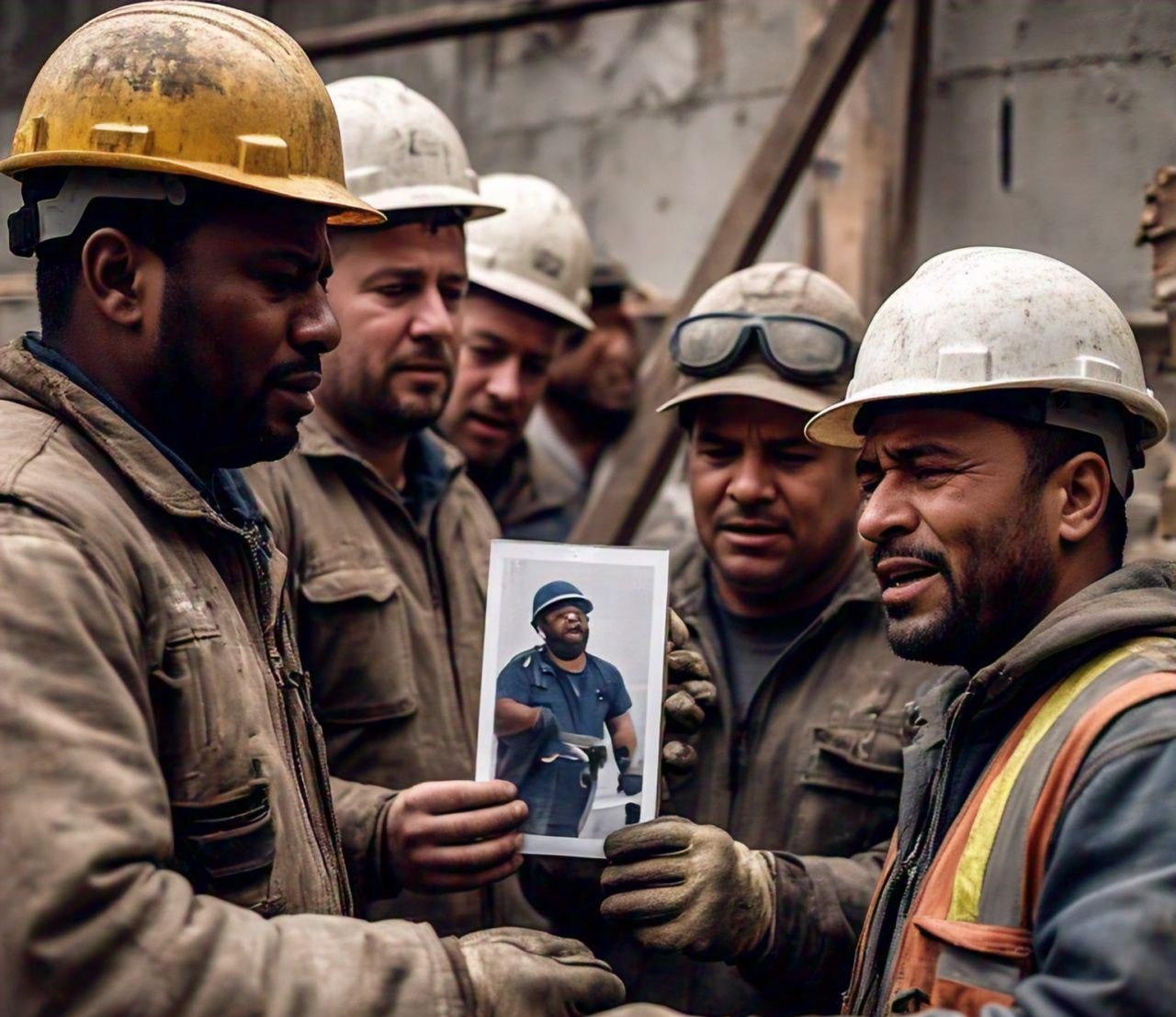
Transportation incidents, including roadway accidents and those involving heavy equipment, are leading causes of workplace fatalities. Every year, people die in these preventable incidents. Falls from heights or on the same level, particularly in construction or warehousing, also contribute significantly to worker fatalities. Contact with objects and equipment, such as being struck by debris or caught in machinery, is another major hazard. Exposure to harmful substances and environments, as well as workplace violence, though less frequent, can also lead to workplace accident death.
Other causes of workplace accident death include fires and explosions. Specific causes and prevalence vary across industries, highlighting the need to understand potential job hazards. The BLS provides detailed data on fatal occupational injuries.
The Impact of a Workplace Accident Death
A workplace accident death devastates a deceased’s family, causing emotional and financial strain. Families grapple with grief, stress, and the uncertainty of managing household expenses and funeral costs. The sudden loss of income creates a significant economic burden, exacerbating an already difficult situation.
Legal Rights and Options
Families of victims have legal options, including workers’ compensation. Workers’ compensation benefits typically cover medical expenses and provide partial wage replacement. Legal action, like wrongful death claims against negligent parties other than the employer, may offer additional financial support and accountability.
Consulting a workplace accident attorney experienced in these cases is crucial. An attorney can assess the specific circumstances and explain the family’s rights, which may differ based on location and case details. Resources like the Occupational Safety and Health Administration (OSHA) website offer valuable information about workers’ rights and protections. Navigating the complexities of workers’ compensation and potential lawsuits often requires legal counsel.
Preventing Workplace Accident Deaths
Preventing workplace fatalities involves a multifaceted approach encompassing safety regulations, training, and employer accountability. OSHA standards and regulations play a crucial role in promoting workplace safety and reducing work injuries. Regular safety training programs educate employees about job safety and best practices for incident prevention.
Employer Responsibilities
Employers have a responsibility to create a safe work environment. Providing appropriate safety equipment is vital. Establishing systems for hazard identification, reporting, and remediation, along with routine maintenance and inspections, can prevent incidents. Open communication encourages employees to report unsafe conditions without fear of retaliation.
The data collected by organizations like the Bureau of Labor Statistics (BLS) sheds light on workplace injuries, illnesses, and fatalities, informing targeted interventions and improvements to working conditions. Employer compliance with OSHA regulations and fostering a safety-conscious culture is critical to preventing work-related injuries and deaths.
Conclusion
Workplace accident death is a preventable tragedy. By prioritizing safety, fostering open communication, and supporting affected families, we can reduce the occurrence of these heartbreaking incidents. OSHA resources, legal counsel, and support organizations play a crucial role in promoting workplace safety and helping families navigate the aftermath of a workplace fatality.
Continuous efforts to improve working conditions, and implement job safety measures and health care. Providing education and training are essential for protecting workers and preventing further tragedies.


