After a car accident, it’s common to wonder who pays for car damages. Accidents can leave you feeling overwhelmed, especially if you’re dealing with injuries and property damage. Sorting out financial responsibility can add to the stress. Determining who pays for car damages after an accident often hinges on several factors like fault, state laws, and insurance policies.
So, how do you figure out who’s responsible for fixing your car, and how can you make the process easier? You’ll learn all that here and more, so don’t sweat it when it comes to figuring out who pays for car damages after an auto accident. Our guide breaks down fault, legal considerations, and insurance coverage to help Baltimore drivers understand who pays for car damages after an accident. Get your free consultation here.
Table Of Contents:
- Determining Fault: A Crucial Step in who pays for car damages after an accident
- The Role of Insurance
- When Multiple Parties Bear the Brunt
- Taking Ownership and Proactive Measures
- FAQs about who pays for car damages after an accident
- Conclusion
Determining Fault: A Crucial Step in who pays for car damages after an accident
Most car accidents occur due to negligence. Someone fails to exercise reasonable care, leading to harm. Often, it involves breaking traffic laws like speeding, running a red light, or distracted driving. The party at fault for the accident, the “negligent driver,” is typically the one whose actions directly led to the collision.
Figuring out who’s at fault in a car accident is critical. It usually determines who foots the bill for repairs and medical expenses. Law enforcement usually arrives at the accident scene. They’ll write an accident report, gathering evidence like witness statements, photos, and diagrams to help figure out how the accident happened and assign fault.
Different States, Different Rules
However, remember that every state has its own set of laws surrounding car accidents, including “fault” and insurance coverage requirements. In a practical matter, your car insurance company will investigate to see if you have a claim against the other driver or their insurance carrier.
For example, in Maryland, the law follows a contributory negligence rule. This means that if you are found to be even 1% at fault for the accident, you may be completely barred from recovering any damages. This is different from comparative negligence, where a partially at-fault driver can still receive some compensation. Unlike “no-fault” states, in Maryland, establishing fault is crucial, as your ability to recover compensation depends entirely on proving the other driver was 100% responsible for the crash.
The Role of Insurance
Let’s talk about car insurance. In the US, almost every state makes drivers have some amount of car insurance. These rules differ by state. Usually, they demand liability insurance which kicks in when you cause an accident.
Types of Car Insurance
A car insurance policy can have several parts or “coverages” that affect how things get paid after an accident.
Liability Coverage
Liability coverage comes into play if you’re at fault for an accident and helps protect you. It would step in to pay for damages caused and injuries to the other party. Keep in mind, liability coverage doesn’t pay to fix your own car. There are two main kinds of liability coverage: bodily injury and property damage liability.
Bodily injury coverage will help pay for the other person’s medical bills. Property damage liability covers damage to their property – like their car, for example.
Collision Coverage
While not mandatory in most states, this one can save you a lot of money and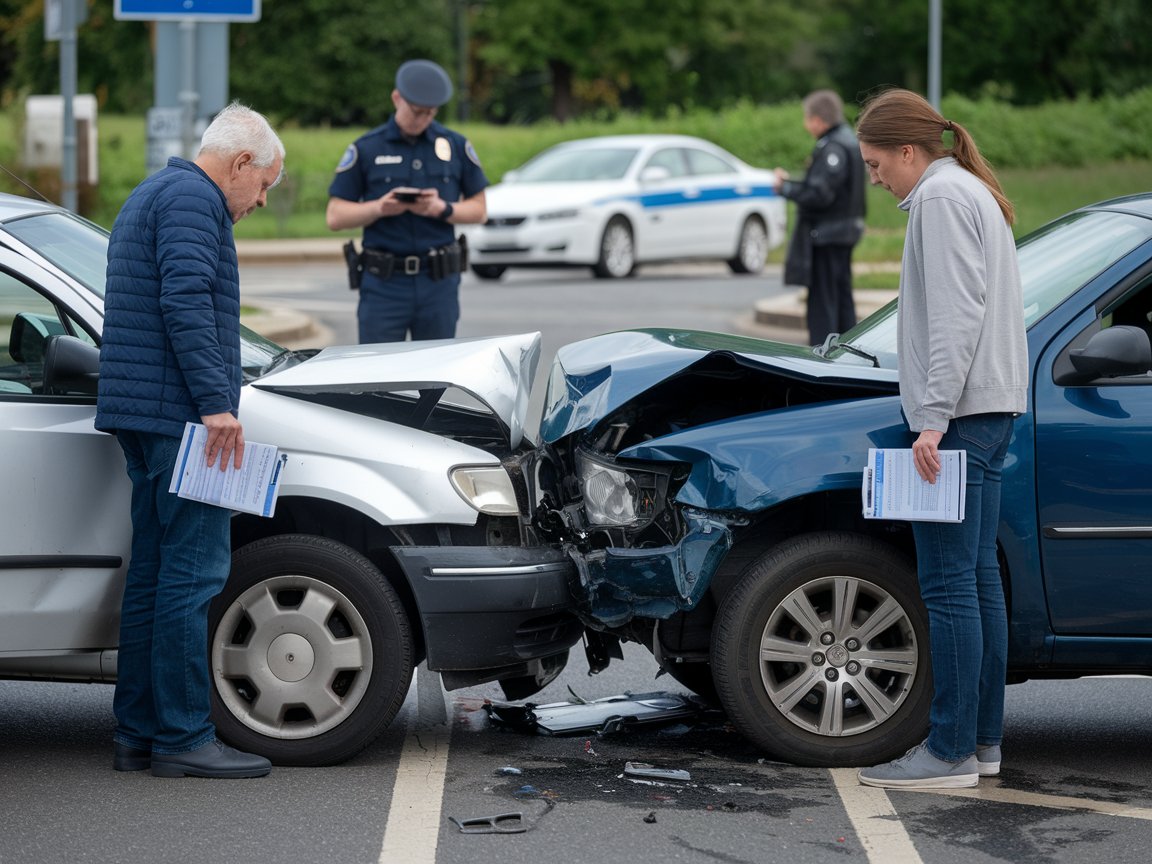 heartache. Collision coverage helps you fix your own car after an accident, even if you’re at fault. It’s helpful because even if the other person should pay, sometimes they don’t have enough coverage.
In those situations, or even if you just want a quicker solution, you can turn to your own collision coverage. Remember, collision coverage usually comes with a deductible – the amount you pay before the insurance kicks in.
Personal Injury Protection (PIP)
Available in “no-fault” states, Personal Injury Protection, or PIP, will cover some medical expenses and lost wages for you and passengers after a car accident. This applies even if it wasn’t your fault. The minimum uninsured motorist coverage varies from state to state.
Uninsured/Underinsured Motorist Coverage (UM/UIM)
Having uninsured/underinsured motorist coverage can provide financial security after a car accident. UM/UIM kicks in when the other driver who caused the crash doesn’t have insurance, or they just don’t have enough to cover your bills. Unfortunately, according to a 2022 study conducted by the Insurance Information Institute (III), one in eight drivers lacks insurance, so having this protection is crucial.
Knowing the nuances of your coverage and seeking advice from a qualified legal professional can ensure you understand the process. They can help determine the best course of action for your specific situation. You may be entitled to compensation for your medical bills and lost wages. A personal injury lawyer can discuss this with you.
Navigating Car Accident Damage Claims
Alright, you’ve had an accident in Baltimore, now what? Here’s a look at how things work with the most common insurance claims scenarios.
If the other driver is at fault
If the other person is deemed at fault, you have a couple of options. First, file a claim with the other driver’s insurance company directly. Their insurer will investigate the accident, determine their policyholder’s fault, and try to reach a fair settlement to cover damages.
If you prefer, or if dealing with the other company isn’t going well, you can also make a claim under your own collision coverage. But remember, you may have to pay your deductible first. Your insurance company will then try to get reimbursed from the at-fault driver’s insurer through something called subrogation.
What happens if it’s your fault?
If the accident’s your fault, your own collision coverage will likely be your main route to get your car fixed. They’ll handle repairs or replacement minus the deductible. You might be thinking “I have insurance to avoid paying.”
Remember, having car insurance means they are covering the large costs, potentially saving you thousands in repairs. Your premiums might increase after filing a claim. Your auto insurance policy is a contract.
Dealing with uninsured drivers
If you’re hit by a driver with no insurance, the process can be complicated. You will have to file a lawsuit to attempt to recover compensation. This path, while valid, can be tougher since recovering money is more difficult from someone without assets or a deep pocket to draw from like an insurance company.
If your policy has UM/UIM coverage, this part comes in handy because it’s meant for situations like this – accidents with uninsured or hit-and-run drivers. If you are in a truck accident, there are special rules that apply.
Hit-and-run accidents: who’s left holding the bag?
Hit-and-run accidents leave victims facing many unknowns. First, call the police immediately and provide a description of the vehicle, even if it’s limited, and the accident circumstances. Document the damage to your car by taking photos or videos of the scene. While ideally you would seek compensation from the responsible party, this isn’t always possible if the driver isn’t caught or remains unidentified.
Your best chance to cover repair costs is often turning to your UM/UIM coverage. Having an attorney can make this less stressful, as they have experience in handling these kinds of cases, dealing with insurance companies, and building a solid case. They can walk you through your options and navigate the process. In some cases, the at-fault driver’s insurance company will pay for a rental car.
Who actually pays out the money?
Let’s clarify who directly pays the bills after you settle an accident. Usually, when dealing directly with insurance for property damage claims, the company itself cuts the checks to repair shops or individuals. Now, if things go further and you end up in court for personal injury claims, then a court can issue a judgment requiring payment.
This is against the at-fault driver or their insurer, and usually the insurance company covers this, as it’s in their interest to do so according to their policy agreements. If you are in a motorcycle accident, these same principles will apply.
When Multiple Parties Bear the Brunt
Sometimes, in pile-ups or accidents involving multiple cars, there may be more than one party responsible for the damages. Some states allow courts to assign a portion of the fault to each of the at-fault drivers involved. In a hit-and-run where there is only one identified driver at fault and it goes to court, but the damages awarded are higher than what their insurance policy covers, then things get complicated.
This sometimes leads to needing to pursue extra out-of-pocket damages paid by the driver directly, rather than their insurance company. And it’s not always just drivers at fault. In accidents involving commercial vehicles like taxis or buses, a company can share in the responsibility.
For example, if you are hit by a transport truck, the driver’s employer might be responsible. There are many potential contributing factors for those situations like equipment issues or poorly maintained roads. The same can be said for a bus accident.
Taking Ownership and Proactive Measures
Having a dashcam in your car can help a lot with this. They can provide valuable evidence to help you protect yourself by documenting what actually happened. Having video proof helps determine fault, prevent disputes with insurance companies, and support your claim in court.
They offer tools to help track your driving behavior through Snapshot which helps lower your premiums if you demonstrate safer driving. Companies like this highlight that careful driving and accident prevention go a long way in avoiding such scenarios in the first place.
Conclusion
Navigating car accidents, especially when you don’t speak “legalese”, can feel like trying to navigate in a dense fog—stressful and uncertain. When considering who pays for car damages after an accident, things hinge on factors like the specifics of your accident, applicable laws in your state, and details within each driver’s insurance policy. If a driver caused the accident, their insurance typically covers car repairs, but understanding premises liability and the nuances of drunk driving accidents is crucial.
Take proactive steps before hitting the road to avoid needing this advice in the first place. Make sure your Maryland car insurance policy offers comprehensive coverage. Install a dashcam and follow all traffic laws. But, accidents still happen. In that event, it’s vital to know the basic concepts we covered in this post, including the importance of consulting a car accident lawyer from a reputable law firm.
Doing that, along with reaching out for a free consultation from qualified legal assistance, can smooth out those rough roads for you. Remember, whether it’s truck accidents, motorcycle accidents, or general practice areas covered in our blog posts, driving safely is always your best bet.