Slip and Fall Injuries at School are unfortunately more common than you might think. They can range from minor scrapes and bruises to severe injuries that require extensive medical attention. As a Baltimore parent, witnessing your child experience this type of trauma can be deeply concerning. You might wonder how it happened, what steps to take for your child’s well-being, and if anyone is responsible for the injury. It’s crucial to understand Slip and Fall Injuries at School, from prevention and legal perspectives.
Imagine the many kids walking the same halls daily. Spills in the cafeteria, rain creating slick surfaces, or even a misplaced backpack in a crowded corridor all increase the potential for a slip and fall. These incidents highlight the importance of understanding common injuries and how to prevent them. Our guide explains the causes of Slip and Fall Injuries at School and outlines the legal options for Baltimore families seeking compensation.
Table Of Contents:
- Why Are Slip and Fall Injuries at School Such a Big Deal?
- Common Causes of Slip and Fall Accidents
- Taking Action After a Slip and Fall Injury
- Navigating the Legal Path
- Understanding the Severity of Slip and Falls: Stats to Know
- FAQs About Slip and Fall Injuries at School
- Conclusion
Why Are Slip and Fall Injuries at School Such a Big Deal?
You might think, “Don’t kids fall all the time? Isn’t it just part of growing up?” While partly true, Slip and Fall Injuries at School can be more serious than just a skinned knee. Some incidents are minor, but a substantial number result in injuries like:
- Broken bones.
- Head injuries.
- Spinal injuries.
- Severe cuts and bruises.
- Long-term pain and disability.
Some slip and falls have life-altering consequences for a young person. They may require lengthy, costly medical treatment, physical therapy, and even surgery. A child might miss school, face difficulties in extracurricular activities, and suffer emotional distress. It’s not just the immediate impact but the potential for lasting problems.
The School’s Responsibility
The law often sides with schools because it’s assumed they take reasonable steps to create a safe learning environment. But what does “reasonable” mean? It means they’ve taken precautions like regular inspections and facility maintenance to prevent potential hazards.
Think about wet floors without warning signs, damaged playground equipment left unrepaired, or poorly lit hallways—these conditions demonstrate negligence. When schools fail to maintain a safe environment, it can lead to premises liability claims.
Common Causes of Slip and Fall Accidents
Let’s examine frequent culprits behind school slip and falls. These dangerous conditions are often preventable with proper maintenance and care:
- Wet or Slippery Floors: This could be from rain, spills, or improper cleaning procedures. Clear warning signs should be in place to alert people about potential hazards. Schools should ensure these warnings are visible and strategically placed to prevent mishaps.
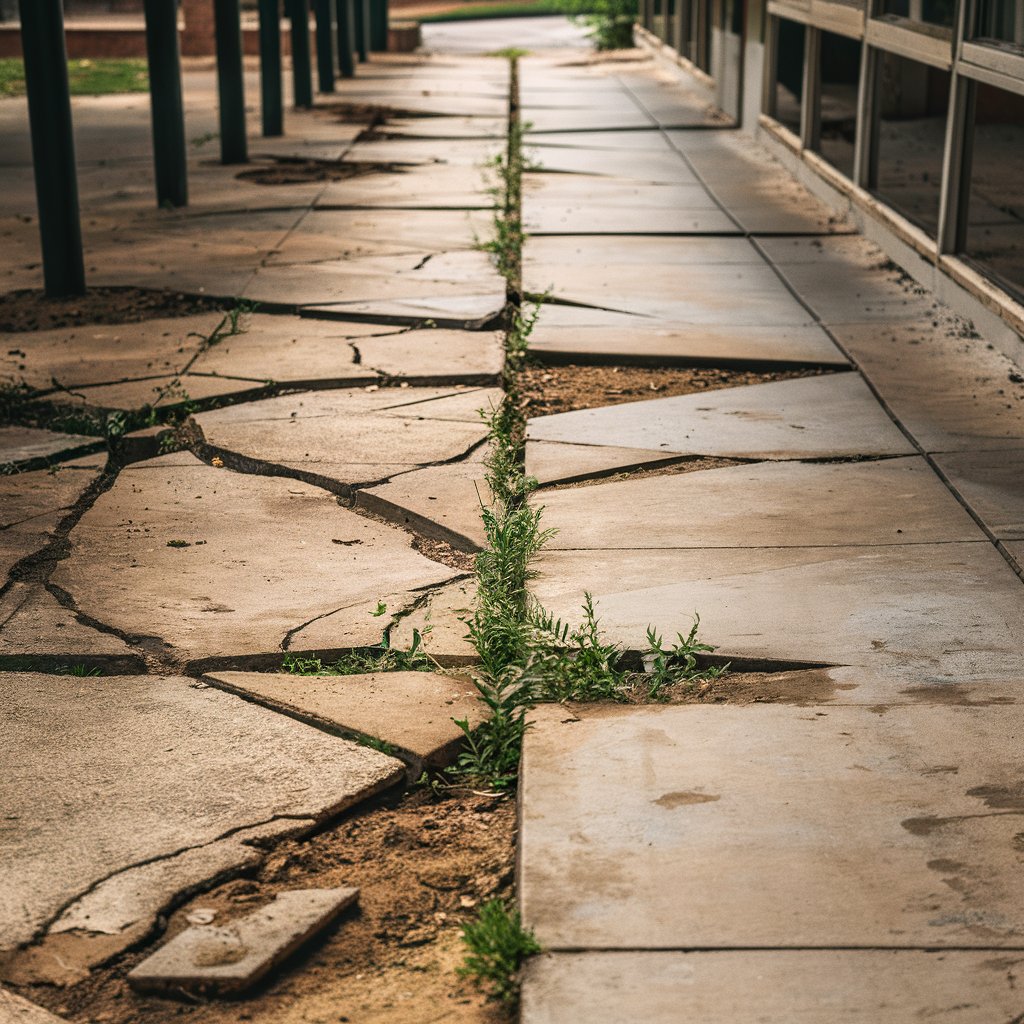
- Defective Walkways or Flooring: Uneven pavement, cracked tiles, loose carpeting, or protruding objects create tripping hazards. Regular inspections help identify areas needing repair, reducing the risk of slips, trips, and falls. It’s the school’s duty to make sure walkways are well-maintained.
- Insufficient Lighting: Dimly lit stairwells, hallways, or outdoor areas contribute to a heightened risk of someone misjudging a step, failing to spot a hazard, or losing their balance. Adequate lighting is a must for a secure school environment.
- Clutter: Obstacles like boxes, cords, or furniture in hallways or common areas can easily become tripping hazards. Maintaining clean, organized spaces is about more than just aesthetics; it’s directly tied to student safety and minimizing potential falls.
- Weather-Related Issues: During ice or snow, school entrances and pathways must be properly cleared. Leaving ice unaddressed demonstrates a lapse in safety protocols and can have serious consequences. This negligence can lead to a fall accident, and the school may be held liable for any resulting injuries.
Taking Action After a Slip and Fall Injury
Knowing the right steps after a Slip and Fall Injury at School is vital. Here’s a guide:
1. Seek Medical Attention
This is the top priority, even if the injuries seem minor. The full extent may not be immediately apparent, and seeking medical attention is vital for the child’s well-being. It also establishes a medical record. This becomes key evidence later, particularly if legal action is needed. This is especially important for head injuries or other injuries that may not be immediately apparent.
2. Document the Incident
Take photos of the exact location, focusing on anything contributing to the fall. Whether it’s a spilled drink, damaged flooring, poor lighting, or even the absence of a warning sign, photographic evidence provides crucial visual documentation that helps bolster your case. Also, note names and contact details of any witnesses; their testimony could become valuable later on. This will help support your injury claim if you need to pursue legal action.
3. Report the Accident
Immediately report the injury to the school. By submitting a formal written report, you document the date, time, location of the fall, and any contributing factors. It provides proof that you alerted the school to a potential issue on their grounds, ensuring they can’t claim ignorance later. This will help you in the event you need to file a personal injury claim.
4. Consult with an Attorney
Laws around school liability are complicated, particularly with public schools. Schools, especially government-run ones, have legal protection known as sovereign immunity. In some instances, this shield makes pursuing a claim harder because it shields the government from certain lawsuits. Consulting with an injury attorney with experience in Slip and Fall Injuries at School will help you navigate this complex legal landscape. Experienced slip and fall lawyers will guide you on filing the necessary documents and represent you if legal action is required. They can also help you understand your legal options and determine if you have a valid injury case.
Navigating the Legal Path
If you choose to file a claim, you need to prove certain elements to be successful after you consult with a slip and fall accident lawyer:
- Duty of Care: The school had a legal responsibility to provide a safe environment for your child. Every school bears the fundamental duty to keep their premises safe for students, faculty, staff, and visitors.
- Breach of Duty: The school didn’t meet their responsibility. If a school neglected to fix known cracked pavement and a student trips, they failed in their duty of care. This is a crucial element in premises liability cases.
- Causation: This negligence directly caused the injury. Proving this element requires establishing a strong connection between the school’s failure to address the hazardous condition and the student’s injuries. A causal link is established between their inaction and the resulting accident.
- Damages: There were actual damages (like medical costs or pain) because of this fall. These damages can include medical bills, lost wages, and pain and suffering.
Understanding the Severity of Slip and Falls: Stats to Know
The gravity of Slip and Fall Injuries at School isn’t just anecdotal; there’s a wealth of statistics that underscores the severity of this issue:
| Statistic Source | Fact | Implications |
|---|---|---|
| National Floor Safety Institute (NFSI) | Slip and fall incidents lead to about a million ER visits every year, representing 12% of all fall-related injuries. | Slips and falls aren’t rare. They’re a significant cause for concern, prompting a substantial number of people to seek emergency room treatment. |
| Centers for Disease Control and Prevention (CDC) | Almost 9 million children aged 0-19 seek treatment for injuries in ERs annually. | This staggering number showcases the vulnerability of kids to a variety of injuries, highlighting the importance of prioritizing safety, especially in schools. The emergency room can be an overwhelming experience for a child who has experienced a fall accident. |
| Consumer Product Safety Commission (CPSC) | Playgrounds witness over 206,700 child injuries each year. | Playgrounds, a space designed for children, ironically become a setting for a substantial number of injuries, stressing the need for routine maintenance and inspection. Schools and communities need to be aware of these statistics and take action to ensure playground safety for children. |
| National Safety Council (NSC) | 2019 recorded almost 13,000 people hurt in school bus crashes. | It highlights the hazards linked with school transportation and points toward the necessity of secure bus conditions, qualified drivers, and attentive students. A bus accident can have devastating consequences, making it crucial to prioritize safety measures and driver training. |
| NSC | Approximately 3.2 million people landed in ERs due to sports-related injuries in 2021. | This emphasizes the importance of proper supervision, appropriate safety gear, and well-maintained facilities to reduce sports-related mishaps within school environments. By addressing these factors, schools can create a safer environment for student-athletes and minimize the risk of motorcycle accidents and other serious injuries. |
| stopbullying.gov | Nationwide, roughly 20% of students aged 12-18 experience bullying. | A worrying statistic. It shows bullying is widespread. This issue creates emotional distress for students. Bullying needs serious attention to maintain a safe learning environment. Baltimore Parents and educators play a crucial role in addressing bullying and fostering a supportive school environment. |
Conclusion
Slip and Fall Injuries at School are something everyone should know about and work to avoid. If you have children, consider having a conversation with them about safety at school. This could cover things like avoiding roughhousing in hallways, being aware of their surroundings, and looking out for spills, uneven ground, or dangerous stairs. Baltimore Parents need to remind their kids about these hazards. If you ever face a situation involving a Slip and Fall Injury at School, act quickly. Get your child checked out by a doctor right away.
Document everything—take pictures and write a detailed report to give to the school authorities. Always think about getting legal advice from a law firm or accident lawyers to see if the school fails in its duty of care. Sometimes, accidents are just accidents, but when it’s clear a school didn’t take care of a dangerous situation that they knew about, that’s a different story. Our practice areas cover these types of incidents, and we offer a free consultation to answer questions you may have about your case.